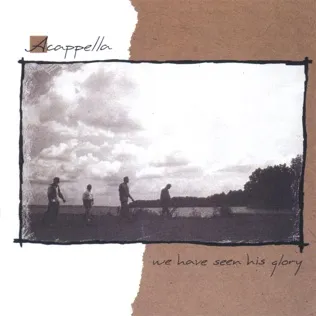
Acappella - Talk to Jah Lyrics

Album: We Have Seen His Glory
Released: 19 May 1992
iTunes Amazon Music

Lyrics

Listen up people and let me tell you 'bout the great one
Some call him Jehovah, some call him Yahweh, others call him Allah
But we are the people who call him Jah
But don't matter what you call him, don't forget to call him
And in the midst of your hustle and bustle remember to

Chorus:
Go down to the river end talk to Jah
Talk to Jah

Well way back in the Bible days,
He told the people consider your ways
As you rise and work and pray,
don't forget who helped you see a brand new day
And as you live in fancy home
don't turn your back on Jah you cannot make it alone

Repeat Chorus

Bridge

Hey mom
As you plant and sow
Hey mom
And no harvest grows
Why mom
This should let you know that he withholds from you
Hey mom
All these blessings here
Hey mom
That you hold so dear
Hey mom
Don't you know from whence they came

Oh, but let me say to all of you
who talk to Jah and he talk to you
You will be strong all across this great big land
because you have the power of his almighty hand
And in the hours of troubled times
you will be given peace of mind because you went

Repeat Chorus
Repeat Bridge

You can talk to Jah, he's not very far
He's been wanting all along to hear from you
All the yang and old feel him in their soul
cause that is where he wants to be

So this is what Jah say to you
The silver's mine and the gold is too
My latter glory's greater still
I'm in your heart and you are in my will
So when you need a chat or two
I will be here and you know what to do

Chorus fade

Go down to the river and talk to Jah
Talk to Jah, talk to Jah

Scriptural Reference:

"Sing unto God, sing praises to his name: extol him that rideth upon the heavens by his name Jah, and rejoice before him." Psalm 68:4 (KJV)

Video

Acapella - Talk to jah

Thumbnail for Talk to Jah video

Meaning & Inspiration

Acappella's "Talk to Jah," released on May 19, 1992, as part of their album *We Have Seen His Glory*, delivers a profound and timeless message that transcends musical trends. The song's essence is a simple yet urgent call to engage in direct, personal communion with God, irrespective of how one names the divine. It serves as a spiritual anchor, reminding people to pause amidst life's relentless demands and connect with the Source of all being. This track, delivered with the group's signature vocal purity, zeroes in on the accessibility and necessity of prayer, positioning it not as a religious chore but as a vital conversation that underpins all existence.

The core meaning of "Talk to Jah" is a universal invitation to prayer and dependence on God. The opening lines immediately establish the inclusive nature of the divine, acknowledging various names for the Creator—Jehovah, Yahweh, Allah—before settling on "Jah." This particular name, derived from a shortened form of Yahweh, is deeply rooted in Scripture, as highlighted by Psalm 68:4, "Sing unto God, sing praises to his name: extol him that rideth upon the heavens by his name Jah, and rejoice before him." The song's profound message is that the name matters less than the act of calling upon Him. It underscores a fundamental truth: in our ceaseless "hustle and bustle," the essential act is to remember and reach out to the one who sustains us, embodying the principle found in Jeremiah 29:13, "You will seek me and find me when you seek me with all your heart."

The song’s first verse thoughtfully weaves biblical counsel into contemporary life. It harkens back to biblical days where people were urged to "consider your ways," a timeless exhortation for self-reflection and spiritual accountability often echoed by prophets. As individuals "rise and work and pray," the song firmly anchors their efforts to God's benevolence, reminding them "don't forget who helped you see a brand new day." This echoes the wisdom of Deuteronomy 8:17-18, which cautions against saying, "My power and the strength of my hands have produced this wealth for me," instead urging remembrance of the Lord, "for it is he who gives you the ability to produce wealth." The subsequent warning, "as you live in fancy home don't turn your back on Jah you cannot make it alone," powerfully reinforces Proverbs 3:5-6, "Trust in the Lord with all your heart and lean not on your own understanding; in all your ways submit to him, and he will make your paths straight." It’s a stark reminder that self-sufficiency is an illusion when viewed through a divine lens.

The recurring chorus, "Go down to the river and talk to Jah," offers a powerful metaphor for intentional communion. The "river" symbolizes a place of solace, reflection, and spiritual cleansing—a dedicated space or moment where one can shed distractions and engage in sincere dialogue with God. It speaks to the accessibility of prayer; one does not need elaborate rituals or specific locations, but simply a conscious turning towards the divine. This simple yet profound action is the antidote to the feeling of isolation or being overwhelmed, promising solace and connection. Philippians 4:6-7 encourages a similar approach, "Do not be anxious about anything, but in every situation, by prayer and petition, with thanksgiving, present your requests to God. And the peace of God, which transcends all understanding, will guard your hearts and your minds in Christ Jesus."

The bridge section, with its poignant address "Hey mom, as you plant and sow, and no harvest grows," delves into the challenging aspects of divine providence. This segment courageously explores instances where blessings seem withheld, prompting introspection. "Why mom, this should let you know that he withholds from you... All these blessings here that you hold so dear, don't you know from whence they came?" This passage serves as a spiritual corrective, reminding us that God is the ultimate provider, and sometimes a lack of blessing is a divine nudge to re-evaluate our relationship and priorities. It echoes scriptural truths found in passages like Malachi 3:8-10, where withholding from God leads to a lack of blessing, and conversely, obedience brings forth abundance. It’s a powerful testament to God's sovereignty over all aspects of life, encouraging individuals to acknowledge Him as the source of all good things.

The latter part of the song crescendos with a message of encouragement and assurance. It promises that those "who talk to Jah and he talk to you, you will be strong all across this great big land because you have the power of his almighty hand." This aligns perfectly with the biblical promise of strength and resilience for those who lean on God, as seen in Isaiah 40:31, "But those who hope in the Lord will renew their strength." Furthermore, the guarantee of "peace of mind" in "troubled times" for those who engage in this conversation reinforces the profound comfort found in divine communion. The song beautifully personalizes God's desire for relationship, stating, "You can talk to Jah, he's not very far, He's been wanting all along to hear from you." This underscores God’s omnipresence and His yearning for intimacy with His creation, inviting "all the young and old [to] feel him in their soul, cause that is where he wants to be." The concluding declaration, "The silver's mine and the gold is too, My latter glory's greater still, I'm in your heart and you are in my will," powerfully asserts God's ultimate ownership and sovereignty over all things, a direct echo of Haggai 2:8. It culminates in a profound reassurance: when we seek Him, He is there, ready to engage in a "chat or two," guiding us into His perfect will and providing peace and strength that only He can offer.

Loading...
In Queue
View Lyrics