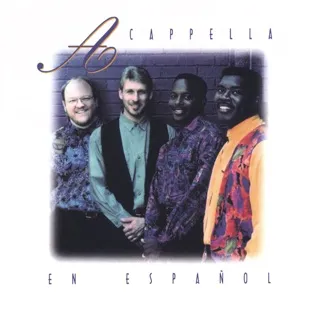
Acappella - Camino con El Lyrics
Lyrics
Canten siempre Su alabanza (x4)
Hoy esc?chenme muy bien
Siempre tengo una canci?n
Para el Salvador que muri?
Ya bien satisfecho estoy
Por tomar la decisi?n
De seguir en todo a Jes?s
Chorus:
Camino con El (Canten siempre Su alabanza)
Siempre yo camino con El (Canten siempre Su alabanza)
Desde que con El estoy
Tengo mucho que decir
Del camino y de la verdad
Mi anhelo encontr?
Ya jam?s lo dejar?
Quiero siempre estar con Jes?s
Repeat Chorus
Siempre con El caminar?, siempre con El (x4)
Hoy esc?chenme muy bien
Siempre tengo una canci?n
Para el Salvador que muri?
Ya bien satisfecho estoy
Por tomar la decisi?n
De seguir en todo a Jes?s
Repeat Chorus
Siempre con El caminar?, siempre con El (x4)
Con El
Video
Acappella (español) Camino con el
Meaning & Inspiration
"Camino con El" from Acappella's 1994 album, *Acappella en Español*, stands as a profound testament to the transformative power of a life lived in fellowship with Jesus Christ. The song, sung entirely a cappella, immediately draws the listener into a space of worship and reflection, its stripped-down vocal arrangements amplifying the clarity and sincerity of its message. The core narrative of "Camino con El" is one of decision and unwavering commitment. The lyrics express a deep sense of satisfaction and peace derived from choosing to follow Jesus, a choice that has profoundly reshaped the singer's perspective and provided an inexhaustible source of praise. This echoes the sentiment found in Philippians 3:7-8, where Paul counts his former achievements as loss compared to the surpassing worth of knowing Christ Jesus his Lord. The repeated refrain, "Camino con El," is not merely a statement of accompaniment but a declaration of discipleship, a daily walking with the Savior.
The song articulates the joy of finding the "camino y de la verdad" (the way and the truth), a direct allusion to Jesus' own words in John 14:6, "I am the way, the truth, and the life. No one comes to the Father except through me." This realization brings a profound fulfillment, quenching the deepest longings of the soul. The assurance that this relationship is permanent, "Ya jam?s lo dejar?," signifies a reliance on God's faithfulness, mirroring the promises in Deuteronomy 31:6: "Be strong and courageous. Do not be afraid or terrified because of them, for the Lord your God goes with you; he will never leave you nor forsake you." The recurring theme of having a song for the Savior who died speaks to the heart of Christian gratitude. His sacrifice on the cross is the foundational reason for the believer's hope and the wellspring of their praise, a theme central to the Gospel message as articulated in Romans 5:8: "But God demonstrates his own love for us in this: While we were still sinners, Christ died for us." The repeated invitation to "Canten siempre Su alabanza" (Always sing His praise) serves as a powerful, unifying call to action, reminding believers that their lives are meant to be a continuous offering of worship, recognizing His redemptive work in every season. This commitment to constant praise is not a burden, but a natural overflow of a life continually walking with Christ.