Wayne Watson - Look Me In the Heart Lyrics
Lyrics
Look in my eyes, you might see a dim reflection
Of a memory or a recollection of a day gone before
Then I was wise, at least within my own beholdin'
Oh, the vanity of youth was golden when my way was my own
But when you look me in the heart
You'll see that I'm changin'
When you look me in the heart
His holiness shows
'Cause underneath this mortal frame
The Lord is reigning
You will see Him
When you look me in the heart
Follow my dreams, fantasies that cloud my vision
That tie me up in indecision about which way to go
When the fantasies fade, with reality again my portion
Father, be my only fortune, let my desire be Your own
And if my actions speak loud
And my words seem to be all too human
It's just that often I choose not to move
With the flow of His hand
But when you look me in the heart
You'll see that I'm changin'
When you look me in the heart
His holiness shows
'Cause underneath this mortal frame
The Lord is reigning
You will see Him when you look
Can you see Him
When you look me in the heart
Video
Look Me In the Heart
Meaning & Inspiration
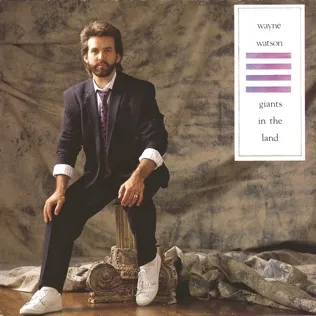
Wayne Watson's "Look Me In the Heart," from his 1987 album *Giants In the Land*, is a profoundly honest and insightful exploration of spiritual transformation. The song delves into the human struggle between self-will and surrender to God's leading, offering a powerful message of hope for those navigating the complexities of faith. Watson opens with a raw acknowledgment of past vanities, recognizing how youth can foster a sense of self-sufficiency and a focus on personal aspirations. He reflects on a time when his "way was my own," a sentiment many can relate to as they pursue personal dreams and fantasies that can, as he notes, "cloud my vision" and lead to "indecision." This initial reflection speaks to the inherent human inclination towards independence, a journey often marked by the fading of youthful illusions and the eventual confrontation with reality. This journey of acknowledging our limitations and seeking a greater purpose echoes the wisdom found in Proverbs 3:5-6, which encourages us to "Trust in the Lord with all your heart and lean not on your own understanding; in all your ways submit to him, and he will make your paths straight."
The core of Watson's message, however, lies in the transformative power of an inward gaze, specifically when looking "in the heart." It is here, he reveals, that genuine change occurs, a change not of human effort alone, but one where "His holiness shows." This shift from a focus on external appearances or past glories to the inner sanctuary of the heart is central to Christian growth. Watson articulates this beautifully, stating that "underneath this mortal frame, the Lord is reigning." This profound declaration points to the indwelling presence of the Holy Spirit, who works within believers to shape their character and align their desires with God's. The Apostle Paul speaks to this internal work in Philippians 2:13: "for it is God who works in you, both to will and to do for his good pleasure." The song powerfully suggests that true transformation is an unveiling of God's presence within us, a testament to His active reign in the lives of those who surrender to Him.
Watson doesn't shy away from acknowledging the ongoing nature of this spiritual journey. He admits that even with a surrendered heart, human actions can sometimes seem contradictory, and words may appear "all too human." This is because, he confesses, "often I choose not to move with the flow of His hand." This vulnerability is what makes the song so relatable and inspiring. It's a candid admission of the continuous battle between our desires and God's perfect will, a struggle that requires constant reliance on His grace. He addresses God directly, praying, "Father, be my only fortune, let my desire be Your own," a prayer that perfectly captures the essence of submission and the yearning for divine alignment. This plea resonates with the prayer of Jesus in the Garden of Gethsemane: "Not my will, but yours be done" (Luke 22:42). Ultimately, "Look Me In the Heart" is an anthem of hope, assuring listeners that while the outward person may falter, the true indicator of spiritual life is the inward reign of God, which becomes visible to those who truly seek to see Him within the transformed heart. The repeated invitation to "see Him" when looking in the heart offers a beautiful invitation to experience the profound and life-altering reality of God's presence and work in the lives of His people.