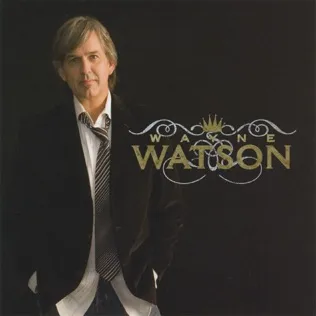
Wayne Watson - Even This Lyrics
Lyrics
Fire falls, hard winds blow
All that's stood been knocked down.
Solid rock turned to dust,
Miracles just can't be found.
From a ruined, broken, hopeless scene
Grows a blade of green.
The same Hands that made something from nothing
Hold you now through even this.
The breath that breathed life in the Garden
Can breathe life to this, even this.
Did you ever think it would be this way?
In your wildest dreams, did you ever know?
You'd wake up one day, reach for love,
And find yourself alone?
All your nightmares and darkened skies
Will surrender to the sunrise.
The same Hands that made something from nothing
Hold you now through even this.
The breath that breathed life in the Garden
Can breathe life to this, even this.
The same Hands that made something from nothing
Hold you now through even this.
The breath that breathed life in the Garden
Can breathe life to this, can breathe life to this, ahh, even this, even this.
Video
Even This
Meaning & Inspiration
Wayne Watson's "Even This," released on April 24, 2008, as the title track of its accompanying album, emerges as a profound spiritual anthem, offering solace and unwavering hope in the face of life's most crushing adversities. This song doesn't shy away from the brutal realities of human suffering; instead, it confronts them head-on, creating a resonant narrative for anyone who has experienced the absolute dismantling of their world. From its opening lines, the song paints a picture of utter desolation, describing a landscape where "fire falls, hard winds blow," and "all that's stood been knocked down." This imagery immediately calls to mind biblical accounts of trials and destruction, akin to the calamities faced by Job, where every earthly support system crumbled around him (Job 1:16-19), or the prophetic lamentations over nations laid waste. It speaks to those moments when life feels like a barren wasteland, where "solid rock turned to dust" and "miracles just can't be found," echoing the psalmist’s cry in seasons when God’s presence seems distant and His saving power invisible (Psalm 10:1).
Yet, it is precisely from this "ruined, broken, hopeless scene" that Wayne Watson introduces the song's magnificent turning point: the emergence of "a blade of green." This powerful metaphor for unexpected new life blooming in desolation is a direct testament to God's restorative power, reminiscent of Isaiah 61:3, where beauty is given for ashes, or the miraculous vision of dry bones receiving breath and life in Ezekiel 37. The song then anchors this hope in the immutable character of God, declaring, "The same Hands that made something from nothing / Hold you now through even this." This foundational truth draws directly from the Genesis creation account (Genesis 1:1-3), reminding us that the God who spoke the cosmos into existence from void and darkness is the same God intimately involved in our present suffering. His omnipotence, demonstrated in *ex nihilo* creation, assures us of His capability to intervene in our seemingly insurmountable situations. Furthermore, the declaration that "The breath that breathed life in the Garden / Can breathe life to this, even this" connects to Genesis 2:7, where God breathed into Adam the breath of life, transforming dust into a living soul. This profound spiritual parallel reassures us that the very Spirit of God, who gave life at creation, possesses the power to infuse vitality, purpose, and hope into the most lifeless and despairing corners of our existence, echoing Romans 8:11 about the Spirit raising Christ from the dead and giving life to our mortal bodies.
The song then personalizes this struggle, moving from widespread devastation to the deeply intimate pain of feeling alone and betrayed. It asks, "Did you ever think it would be this way? In your wildest dreams, did you ever know? You'd wake up one day, reach for love, And find yourself alone?" This poignant reflection touches upon the universal human experience of unanticipated grief, broken relationships, and profound loneliness – a feeling perhaps even Jesus understood when he cried out from the cross, "My God, my God, why have you forsaken me?" (Matthew 27:46). It speaks to the crushing weight of unmet expectations and the sting of isolation. However, just as the darkness of night is temporary, the song emphatically declares that "all your nightmares and darkened skies / Will surrender to the sunrise." This imagery perfectly encapsulates the Scriptural promise that "weeping may stay for the night, but rejoicing comes in the morning" (Psalm 30:5) and points towards the ultimate triumph of light over darkness, where the "Sun of righteousness will rise with healing in its wings" (Malachi 4:2). The enduring message, reiterated with unwavering conviction, is that the God of creation, the God who breathes life and holds us steadfastly, remains faithful even when our reality feels like a shattered dream. His divine embrace is not limited by the extent of our pain or the depth of our despair. He is present, powerful, and committed to breathing new life into "even this"—every single, overwhelming, hopeless "this" that threatens to consume us. This profound assurance, rooted in His creative power and steadfast love, reminds us that no situation is beyond His reach, and His promise to never leave or forsake us (Hebrews 13:5) holds true through all seasons.