Sinach - Matchless Love Lyrics
Lyrics
You went to Calvary
Gave your very best
You died and rose agin
All for me
You said it is finished
Oh oh oh now I sing
Now I sing
You went to Calvary
Gave your very best
You died and rose agin
All for me
You said it is finished
Oh oh oh now I sing
Now I sing
Oh what a matchless love displayed
Oh what a glorious sacrifice
I am grateful for Your body
Grateful for the blood
Jesus I love You
Oh what a matchless love displayed
Oh what a glorious sacrifice
I am grateful for Your body
Grateful for the blood
Jesus I love You
Video
SINACH: MATCHLESS LOVE
Meaning & Inspiration
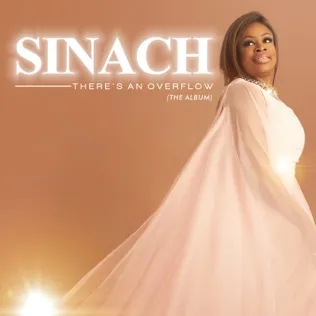
Sinach has a way of stripping away the noise of modern production to get back to the marrow of the faith. On "Matchless Love," from her 2018 record There’s an Overflow, the composition feels less like a performance and more like a liturgy that grew out of a specific West African charismatic tradition.
When she sings, "You said it is finished / Oh oh oh now I sing," there’s a tension there that catches me off guard every time. The phrase "it is finished"—the tetelestai of John 19:30—is heavy, legal, and final. It’s the weight of the debt being settled. But then she pivots immediately into an "Oh oh oh," that vocal break that shifts the mood from a theological declaration to a spontaneous, rhythmic response.
This is where the "vibe" could easily swallow the gravity of the cross. In many CCM circles, this kind of melody might be treated as a pop hook designed to get people swaying. But Sinach uses the repetition to bridge the gap between historical fact and current experience. By moving from the objective reality of the crucifixion to the subjective act of singing, she’s inviting the listener to inhabit that space where debt is erased. The "oh oh oh" acts as a sigh of relief. It’s the sound of someone who finally understands they don't have to work to earn their standing.
Then there’s the line, "I am grateful for Your body / Grateful for the blood." It’s visceral. In a culture that often prefers to sanitize the cross into a piece of jewelry or a tidy metaphor, this hits with an uncomfortably physical edge. It’s a direct reference to the Eucharist, or what we’d call Communion—the broken bread and the poured-out wine.
It feels like she’s pulling the listener away from the stadium atmosphere and back into a small room where the cost of the sacrifice is actually felt. Does the upbeat nature of the track take away from that? Maybe for some. You could argue the tempo is too bright for lyrics about a blood sacrifice. But I think that’s the point. The "joy" here isn't a cheerful, surface-level emotion. It’s the joy of the prisoner who realizes the cell door is unlocked.
It’s interesting how this lands. You have the weight of the Roman execution, the "Calvary" that we treat with such reverence, being celebrated with a rhythm that feels almost celebratory. It forces an unresolved feeling: should I be weeping at the cost, or dancing at the result? Sinach doesn’t force you to choose. She leaves you standing in that friction, grateful for the body and the blood, while the music keeps moving forward, pushing you to sing about a victory that’s already been won, whether you feel ready for it or not.