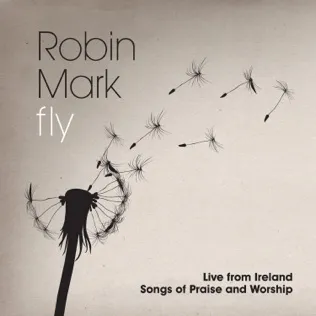
Robin Mark - The Young Man Lyrics
Lyrics
ALL on a Friday evening as the sun went down
The body of a man who wore a thorn made crown
Was carried to a graveyard in the fading light
And laid with deep affection in a garden
Up on the hill the shadow of his gallows fell
And faded as the sun descended lower still
The ground was worn and bare where many feet had trod
To watch the execution of the young man
And what of me, so distant from that far, gone, place?
Still the wonder of that moment crosses time and space
With mystery and majesty none can explain
For it draws me to the story of the young man.
The next day being Sabbath, was a day of rest
And one of some reflection for the young man's friends
No longer messianic zeal consumed their hearts
Just sorrow for the killing of the young man
Maybe some type of guitar sound added
And I suppose some tears were shed 'til sleep came last
Then rising early morning once the Sabbath passed
A woman made her way to find the garden tomb
To leave her oil and flowers for the young man
Now history tells of heavy stone to bar the way
Was fixed by many soldiers on the open grave
For when she found it rolled aside and emptied tomb
She grieved the stolen body of the young man
A gardener called her by her name as she kneeled down
And asked her why she searched about the burial ground
And wiping bitter tears away with the dawns first light
She saw the risen glory of the young man.
Video
The Young Man
Meaning & Inspiration
Robin Mark’s "The Young Man," released on October 4, 2011, as part of his album *Fly*, stands as a powerful lyrical testament to the central narrative of Christian faith. The song immediately transports the listener to that pivotal Friday evening, recounting the solemn event of Jesus' crucifixion and burial with stark, compelling imagery. It meticulously details the suffering King, crowned with thorns as described in Matthew 27:29, and the sorrowful procession carrying His body to a garden tomb, echoing John 19:41-42. The description of the "gallows" and the "worn and bare" ground where many gathered to witness the execution evokes the profound public spectacle and the brutal reality of what transpired, underscoring the immense sacrifice of Jesus, the innocent lamb led to slaughter, fulfilling prophecies found in Isaiah 53.
The narrative then pivots from the historical account to a deeply personal reflection, posing the question, "And what of me, so distant from that far, gone, place?" This rhetorical query encapsulates the song’s brilliance, bridging nearly two millennia of history and countless geographical miles to make the ancient story strikingly relevant to contemporary lives. It speaks to the enduring power of the Gospel, where the "wonder of that moment crosses time and space," touching hearts and minds with a "mystery and majesty" that defies simple explanation. This magnetic drawing power is a testament to the Holy Spirit’s work, revealing the truth of Christ’s sacrifice and resurrection, a mystery long hidden but now revealed through the apostles and prophets (Ephesians 3:4-5), drawing individuals into the profound narrative of the young man who is also God incarnate.
The song continues its journey through the quiet desolation of the Sabbath, a day of rest that, for the young man’s followers, was consumed by grief and shattered hopes. The lyrics convey the profound shift from their earlier "messianic zeal" to a deep sorrow, reflecting the disciples' confusion and despair after Jesus’ death, as recorded in Luke 24:20-21. Their dreams of a conquering king seemed extinguished, replaced by the crushing weight of loss and the apparent defeat of their leader. This period of lament and uncertainty, though brief, highlights the depth of human despair when faced with the cross, making the eventual triumph even more glorious.
As the Sabbath passes, the scene brightens with the dawn of Sunday morning. A woman, burdened by grief but compelled by love, makes her way to the tomb with oil and flowers, as described in Mark 16:1 and Luke 23:56, intending to anoint the body. The song acknowledges the historical details of the heavy stone and the soldiers guarding the grave (Matthew 27:62-66), emphasizing the seemingly insurmountable obstacles. Yet, she finds the stone rolled aside and the tomb empty, leading to immediate distress and the assumption that the body has been stolen, echoing Mary Magdalene's initial reaction in John 20:1-2.
The climax of the song arrives with a moment of profound revelation. As the woman kneels, overwhelmed by sorrow, a "gardener" speaks her name. This is the divine moment of recognition, directly referencing Jesus’ intimate call to Mary Magdalene in John 20:16. In that instant, tears give way to awe, and the mundane figure transforms into the glorious reality: "She saw the risen glory of the young man." This powerful conclusion captures the essence of the Christian message: the triumph over death, the resurrection that validates Jesus' claims, and the personal encounter with the living Christ that transforms despair into unbounded hope. It affirms the truth of 1 Corinthians 15:3-4, that Christ died for our sins, was buried, and was raised on the third day, the very bedrock of our faith and the promise of eternal life for all who believe in this young man, who is indeed the Son of God.