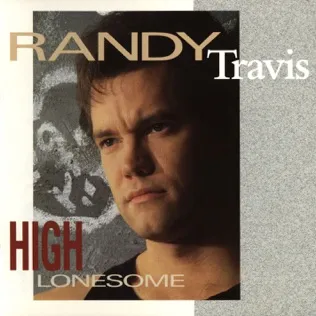
Randy Travis - Better Class of Losers Lyrics
Lyrics
I'm getting out of this high-rise penthouse suite
Where we pretend life's rosy and sweet
I'm going back to the folks that I used to know
Where everyone is what they seems to be
And these high-class friends that you like to hang around
When they look my way they're always looking down
I'm tired of spending every dime I make
To finance this way of life I've learned to hate
I'm going back to a better class of loser
This up-town living's really got me down
I need friends who don't pay their bills on home computers
And who buy their coffee beans already ground
You think it's disgraceful that they drink three-dollar wine
But a better class of loser suits me fine
You say the grass is greener on the other side
From where I stand I can't see grass at all
And the concrete and the steel won't change the way you feel
It takes more than caviar to have a ball
I'm going back to a better class of loser
This up-town living's really got me down
I need friends who don't pay their bills on home computers
And who buy their coffee beans already ground
You think it's disgraceful that they drink three-dollar wine
But a better class of loser suits me fine
You think it's disgraceful that they drink three-dollar wine
But a better class of loser suits me fine
Video
Randy Travis - Better Class Of Losers (Official Music Video)
Meaning & Inspiration
Randy Travis’s "Better Class of Losers," released on March 17, 2009, as a standout track on his album *I Told You So: The Ultimate Hits of Randy Travis*, delivers a poignant and profoundly resonant message that transcends mere musical entertainment. This song unfolds the narrative of an individual's spiritual and emotional exodus from a world of superficial opulence back to the embrace of authenticity and genuine human connection. It's a powerful declaration of priorities, rejecting the hollow promises of material wealth and social status in favor of the unadorned truth of simpler living and relationships built on sincerity rather than pretense.
The song’s core meaning centers on a disillusionment with a so-called "high-class" existence, characterized by "high-rise penthouse suite[s]" and friends who "always looking down." The narrator expresses weariness from the constant expenditure to "finance this way of life I've learned to hate," revealing a deep internal conflict. This isn't just about financial burden, but a soul-deep exhaustion from maintaining a façade. He yearns for a return to "the folks that I used to know / Where everyone is what they seems to be," signaling a desire for transparency and realness. This journey mirrors a profound spiritual awakening, akin to turning away from the false idols of the world towards what truly satisfies the soul. As Jesus taught in Matthew 6:24, "No one can serve two masters. Either you will hate the one and love the other, or you will be devoted to the one and despise the other. You cannot serve both God and money." The narrator’s rejection of this opulent life echoes a choice between fleeting earthly treasures and enduring spiritual values.
The song’s genius lies in its redefinition of "loser." The narrator proudly declares, "I'm going back to a better class of loser," transforming a term of social disdain into an badge of honor. These "losers" are described as those who "don't pay their bills on home computers" and "buy their coffee beans already ground," implying a preference for simplicity and perhaps a more hands-on, less technologically dependent existence. They are the ones who appreciate "three-dollar wine," valuing substance over perceived sophistication. This perspective aligns remarkably with biblical teachings on humility and the inversion of worldly wisdom. First Corinthians 1:27-28 reminds us, "But God chose the foolish things of the world to shame the wise; God chose the weak things of the world to shame the strong. God chose the lowly things of this world and the despised things—and the things that are not—to nullify the things that are." The song champions those society might overlook, identifying true worth not in possessions or status, but in authenticity and grounded living, a value system deeply rooted in Scripture.
The profound commentary continues with the lines, "You say the grass is greener on the other side / From where I stand I can't see grass at all." This vividly illustrates the emptiness of chasing perceived greener pastures in the material world. The "concrete and the steel won't change the way you feel," a powerful indictment of the belief that external trappings can fill an internal void. True contentment and joy, as the song conveys, do not stem from "caviar," but from genuine connection and peace of mind. This echoes the sentiment in Proverbs 15:17, "Better a meal of vegetables where there is love than a fattened calf with hatred," emphasizing that relational wealth surpasses material abundance. The song inspires us to question societal definitions of success, urging us to seek a life rich in meaning and truth, rather than one adorned with gilded cages. It’s a call to embrace humility, find joy in simplicity, and value the human spirit above all else, reminding us that in God’s economy, the last shall often be first, and a "better class of loser" might just be closer to the heart of what truly matters.