Petra - Taste And See Lyrics
Lyrics
If all you got is a fancy car
And a precious diamond ring
When you stand before the Lord
Will it really mean a thing?
You've got to see how good your life can be
You've got to feel what's really, really real
How can you know until you taste and see
How good it is to be set free?
Taste and see that the Lord is good
He's got milk and honey for you
Come and dine at the Master's table,
He'll serve bread and wine to you
Well you tasted this and you tasted that
But you still ain't satisfied
You'll never find any peace of mind
In those empty things you tried
Don't be afraid of tasting something new
Your soul is hungry, nothing else will do
The bread of life will keep you saitsfied
You won't go hungry or ever be denied
You've got to make up your mind
And leave your old life behind you
You know He'll take it away
Video
Petra - Taste and See
Meaning & Inspiration
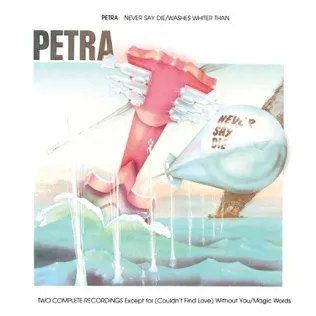
Petra's powerful track, "Taste And See," released on January 1, 1994, as part of the compilation "Never Say Die / Washes Whiter Than," serves as an enduring anthem of spiritual invitation. The song masterfully distills the profound truth that earthly possessions and fleeting pleasures ultimately fail to satisfy the human soul, instead pointing to a divine source of lasting fulfillment. It beckons every individual to experience the transformative goodness of God, a message rooted deeply in ancient scripture and profoundly relevant across generations.
The song's core message immediately challenges the prevalent pursuit of material wealth and superficial status. It poses a piercing question: "If all you got is a fancy car / And a precious diamond ring / When you stand before the Lord / Will it really mean a thing?" This stark contrast between temporal riches and eternal significance echoes the wisdom found in Matthew 6:19-21, which urges believers to store up treasures in heaven rather than on earth, where moth and rust destroy. The lyrics compel reflection on the parable of the rich fool in Luke 12:16-21, whose vast earthly gains offered no comfort in the face of eternity. Petra effectively conveys that true worth is not measured by what one accumulates in this life, but by one's spiritual standing before the Creator.
The recurring refrain, "Taste and see that the Lord is good," is a direct and powerful echo of Psalm 34:8, the very heart of the song's theological foundation. It's an experiential call, not just an intellectual assent, to truly perceive and embrace the blessings of a life lived in alignment with God. The song promises that through this "tasting," one can "see how good your life can be" and "feel what's really, really real," implying a depth of existence beyond surface-level living. The subsequent promise of being "set free" resonates deeply with John 8:36, where Jesus declares that if the Son sets you free, you are free indeed—liberated from the bondage of sin and the emptiness of worldly pursuits.
Expanding on this divine invitation, the song paints a picture of lavish provision: "He's got milk and honey for you / Come and dine at the Master's table, / He'll serve bread and wine to you." The imagery of "milk and honey" harks back to the Promised Land, a land of abundance and blessing God promised His people in Exodus 3:8 and Deuteronomy 6:3, symbolizing spiritual nourishment and prosperity found in His presence. The call to "dine at the Master's table" and the mention of "bread and wine" immediately evoke the sacred imagery of communion and intimate fellowship with Christ. This calls to mind John 6:35, where Jesus identifies Himself as "the bread of life," and the Last Supper narratives in Matthew 26:26-28, where bread and wine symbolize His sacrifice and the new covenant. It’s an invitation to a personal relationship with the divine, a spiritual feast that satisfies deeper than any physical meal.
The lyrics further address the pervasive human experience of seeking satisfaction in transient things: "Well you tasted this and you tasted that / But you still ain't satisfied / You'll never find any peace of mind / In those empty things you tried." This candid observation speaks to the universal yearning for meaning that the world cannot fulfill. It mirrors the conclusions of Ecclesiastes, which repeatedly declares worldly pursuits as "vanity and a chasing after wind" (Ecclesiastes 1:8, 2:11). The song asserts that true peace and contentment are elusive outside of a relationship with God, confirming Isaiah 55:2, which asks, "Why spend money on what is not bread, and your labor on what does not satisfy?"
Petra offers the definitive solution, urging individuals not to "be afraid of tasting something new" because "Your soul is hungry, nothing else will do." This highlights the inherent spiritual hunger within every person, which only Christ can satiate. The declaration that "The bread of life will keep you satisfied / You won't go hungry or ever be denied" directly references Jesus’s statement in John 6:35, solidifying His role as the sole source of eternal sustenance and satisfaction. This promise extends beyond mere physical hunger, speaking to a profound spiritual and existential need that Christ alone can meet.
Finally, the song culminates in a decisive call to action and transformation: "You've got to make up your mind / And leave your old life behind you / You know He'll take it away." This isn't just an invitation; it's a challenge to choose, to commit, and to embrace a fundamental change in lifestyle and perspective. It beautifully encapsulates the biblical concept of repentance and spiritual rebirth, as seen in 2 Corinthians 5:17, "Therefore, if anyone is in Christ, the new creation has come: The old has gone, the new is here!" It’s a call to abandon the fleeting, empty pursuits of the past and step into the abundant, purposeful life offered through faith in Christ, aligning with Romans 12:2 to not conform to the patterns of this world but be transformed. "Taste And See" is a timeless spiritual appeal, powerfully delivered, guiding souls toward the lasting goodness found only in God.