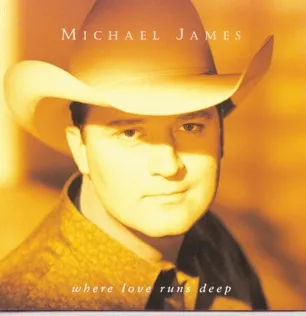
Michael James - Above All Else Lyrics
Lyrics
Beneath the clouds of fear and doubt
When it seems there's no way out
And I'm all alone
My heart can get so tired and weary
But I have found a sanctuary
Where I can go and there's always hope
Above all else beyond myself
I'm embraced by arms of grace
There's a gentle peace that covers me
I find strength with one drink
Flowing from an everlasting well
Above all else
Regardless of the wind that's blowing
There's a sweet assurance knowing
You're never far
And when my back's against the wall
And the cold rain starts to fall
I bow my head and I lift my heart
Above all else beyond myself
I'm embraced by arms of grace
There's a gentle peace that covers me
I find strength with one drink
Flowing from an everlasting well
Above all else
I'm embraced, there's a gentle peace
Above all else beyond myself
I'm embraced by arms of grace
There's a gentle peace that covers me
I find strength with one drink
Flowing from an everlasting well
Above all else
Above all else
Above all else
Above all else
Ooh, ooh...
Video
Above All Else
Meaning & Inspiration
Michael James’s "Above All Else," which premiered on May 4, 1995, as a centerpiece of his album *Where Love Runs Deep*, immediately immerses the spirit in a narrative of profound spiritual solace. The song begins by articulating a universally felt human experience: the oppressive weight of fear, doubt, and overwhelming loneliness. It paints a vivid picture of a heart grown "tired and weary," a state of exhaustion familiar to anyone who has navigated life's relentless challenges and felt utterly alone in the struggle. This initial vulnerability sets the stage for the powerful transformation that follows, establishing a relatable foundation for the hope it subsequently unveils.
The core message of the song quickly emerges as a beacon in the darkness, revealing the discovery of a "sanctuary where I can go and there’s always hope." This sanctuary is not a physical place but a spiritual refuge, a deep well of divine assurance. The chorus, declaring "Above all else beyond myself, I'm embraced by arms of grace," encapsulates the profound surrender and acceptance of God's unmerited favor. This embrace signifies a complete security, a gentle peace that envelops the soul, far surpassing any peace the world can offer. It's a recognition that true strength and comfort are found not within one's own limited capacity, but in something transcendent and boundless.
The lyrical journey deepens this understanding, illustrating how this divine embrace manifests. The image of finding strength "with one drink flowing from an everlasting well" is particularly potent, evoking a constant, inexhaustible source of spiritual nourishment. This concept resonates powerfully with biblical truths that speak to God's enduring provision and life-giving presence. The song progresses to acknowledge the continued presence of life's trials—"Regardless of the wind that's blowing," "when my back's against the wall," and "the cold rain starts to fall." Yet, within these adversities, there's a "sweet assurance knowing You're never far," a steadfast companionship that anchors the soul. The response to these challenges is not defiance, but humble submission and genuine seeking: "I bow my head and I lift my heart," a posture of worship and dependence.
Interpreting "Above All Else" through the lens of Scripture profoundly enriches its meaning. The initial depiction of despair, "Beneath the clouds of fear and doubt, when it seems there’s no way out and I’m all alone," echoes the cries of the psalmist in Psalm 42:5, "Why are you cast down, O my soul, and why are you in turmoil within me? Hope in God." The discovery of a "sanctuary" beautifully aligns with Psalm 91:1, promising that "He who dwells in the shelter of the Most High will abide in the shadow of the Almighty," a spiritual haven from life's storms. The weary heart longing for rest brings to mind Matthew 11:28, where Jesus invites, "Come to me, all who labor and are heavy laden, and I will give you rest."
The central declaration, "Above all else beyond myself, I'm embraced by arms of grace," is a powerful affirmation of God's unconditional love and favor, as highlighted in Ephesians 2:8-9: "For by grace you have been saved through faith. And this is not your own doing; it is the gift of God, not a result of works, so that no one may boast." The image of an embrace further brings to mind the father’s welcoming arms for the prodigal son in Luke 15:20, signifying forgiveness, restoration, and boundless affection. This embrace ushers in a "gentle peace that covers me," a peace described in Philippians 4:7 as that "which surpasses all understanding," guarding our hearts and minds in Christ Jesus.
The "everlasting well" is a profound metaphor for God's endless supply of spiritual life and sustenance, directly referencing John 4:14, where Jesus promises, "Whoever drinks of the water that I will give him will never be thirsty again. The water that I will give him will become in him a spring of water welling up to eternal life." Isaiah 12:3 further solidifies this imagery, stating, "With joy you will draw water from the wells of salvation." Even amidst life's relentless "wind that’s blowing" and "cold rain," symbolizing trials and tribulations, the song's assurance of God's nearness ("You’re never far") stands firm, reflecting the promise of Hebrews 13:5, "I will never leave you nor forsake you." The act of bowing one's head and lifting one's heart is a testament to the humility and faith depicted in 1 Peter 5:6, "Humble yourselves, therefore, under the mighty hand of God so that at the proper time he may exalt you." Michael James’s "Above All Else" is not merely a song; it's a lyrical sermon, a deeply encouraging reminder that when all else fades, the embrace of divine grace, the peace it bestows, and the strength drawn from God’s everlasting well remain the ultimate priority and comfort in a chaotic world. The repeated affirmation of "Above all else" in the song's close serves to etch this truth indelibly onto the heart, inspiring unwavering trust and hope.