Don Francisco - The Lord's Prayer Lyrics
Lyrics
Our Father, Who is in Heaven
Hallowed and worshipped be Your Name
May Your kingdom come
And Your will be done
Here on this earth as it is in heaven
Give us this day, our daily bread
And forgive us all our debts
As we forgive our debtors
Lead us not into temptation
But deliver us from every evil
For the kingdom and the power are Yours forever
The kingdom and the power are Yours forever
The kingdom and the power
And the glory are Yours forever
Our Father, Who is in Heaven
Hallowed and worshipped be Your Name
May Your kingdom come
And Your will be done
Here on this earth as it is in heaven
Give us this day, our daily bread
And forgive us all our debts
As we forgive our debtors
Lead us not into temptation
But deliver us from every evil
For the kingdom and the power are Yours forever
The kingdom and the power are Yours forever
The kingdom and the power
And the glory are Yours forever
Video
372 The Lord's Prayer (Don Fransisco)
Meaning & Inspiration
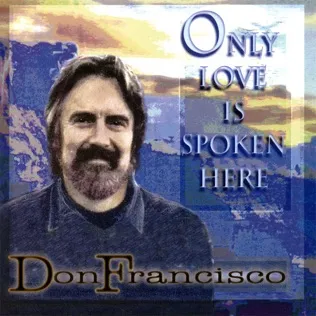
Don Francisco's rendition of "The Lord's Prayer," released on his 2001 album *Only Love Is Spoken Here*, offers a profoundly moving musical meditation on one of Christianity's foundational prayers. This recording doesn't merely set the familiar words to music; it breathes life into them, inviting listeners to engage with each petition on a deeply personal level. The strength of this piece lies not in elaborate instrumentation or vocal acrobatics, but in its unwavering focus on the potent message of Jesus' teaching on prayer. At its core, the song is a rich tapestry woven from themes of divine sovereignty, human dependence, and the sacred balance of seeking grace while extending it to others.
The opening invocation, "Our Father, Who is in Heaven," immediately establishes a posture of reverence and intimacy. This resonates with the biblical depiction of God as both transcendent and personally accessible, a concept explored throughout Scripture, from the awe-inspiring pronouncements in Isaiah 6:3, "Holy, holy, holy is the Lord Almighty," to Jesus' own familiar address to God as "Abba, Father" (Mark 14:36). Francisco’s earnest delivery emphasizes the hallowed nature of God's name and the fervent desire for His kingdom to manifest and His will to be enacted on Earth precisely as it is in the celestial realm. This echoes the prayer's inherent plea for alignment between the divine will and human experience, a recurring theme in the teachings of Christ, who consistently pointed to God's ultimate authority and the importance of submitting to His purposes, as seen in the Sermon on the Mount (Matthew 6:10).
The subsequent request for "daily bread" transcends a mere petition for sustenance; it speaks to a deeper reliance on God for all our needs, both material and spiritual. This aligns with Proverbs 30:8, which asks for "neither poverty nor riches, but feed me with the food that is [needed]," highlighting a desire for sufficiency rather than abundance. The interwoven petition for forgiveness – "And forgive us all our debts, as we forgive our debtors" – is particularly powerful. This is not a passive request but an active covenant, underscoring Jesus’ own teaching in Matthew 6:14-15: "For if you forgive other people when they sin against you, your heavenly Father will also forgive you. But if you do not forgive others their sins, your Father will not forgive your sins." Francisco’s rendition forces a moment of honest self-examination, prompting listeners to consider their own willingness to extend the same grace they seek from God.
The plea, "Lead us not into temptation, but deliver us from every evil," articulates a humble recognition of human frailty and an earnest dependence on divine protection. This echoes the constant spiritual warfare described in Ephesians 6:11-12, where believers are called to put on the full armor of God to stand against the devil's schemes. The final declaration of God’s eternal dominion – "For the kingdom and the power and the glory are Yours forever" – serves as a resounding affirmation of faith and trust. It lifts the prayer from a list of requests to a profound declaration of worship, acknowledging God's ultimate authority and majesty. This climactic affirmation finds its roots in the doxologies found throughout the Psalms and the New Testament, such as Romans 11:36, "To him be glory forever! Amen." Don Francisco's "The Lord's Prayer" is a testament to the enduring power of this sacred text, transforming it into an intimate and inspiring encounter with the divine.