
Bob Dylan - Lenny Bruce Lyrics
Lyrics
Lenny Bruce is dead but his ghost lives on and on
Never did get any Golden Globe award, never made it to Synanon.
He was an outlaw, that's for sure,
More of an outlaw than you ever were.
Lenny Bruce is gone but his spirit's livin' on and on.
Maybe he had some problems, maybe some things that he couldn't work out
But he sure was funny and he sure told the truth and he knew what he was talkin'
about. Never robbed any churches nor cut off any babies' heads,
He just took the folks in high places and he shined a light in their face.
He's on some other shore, he didn't wanna live anymore.
Lenny Bruce is dead but he didn't commit any crime
He just had the insight to rip off the lid before its time.
I rode with him in a taxi once, only for a mile and a half,
Seemed like it took a couple of months.
Lenny Bruce moved on and the ones that killed him, are gone.
They said that he was sick 'cause he didn't play by the rules
He just showed the wise men of his day to be nothing more than fools.
They stamped him and they labeled him like they do with pants and shirts,
He fought a war on a battlefield where every victory hurts.
Lenny Bruce was bad, he was the brother that you never had.
Video
Lenny Bruce
Meaning & Inspiration
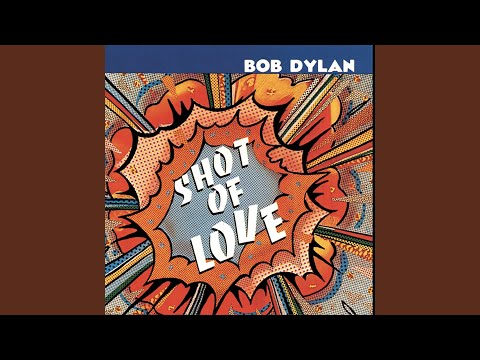
Bob Dylan's "Lenny Bruce," released on August 12, 1981, as part of his album *Shot of Love*, is a poignant tribute to a man who, in Dylan’s eyes, embodied an uncompromising commitment to truth in a world that often preferred comfortable lies. During this period of his career, Dylan was openly expressing his profound Christian faith, and while the song memorializes a secular figure, it resonates deeply with spiritual principles of righteousness, prophetic witness, and the cost of speaking uncomfortable truths. The song is not merely a eulogy; it is a declaration of solidarity with those who challenge the status quo, shining a light on hypocrisy and corruption, irrespective of personal cost or popular approval.
The lyrical narrative of "Lenny Bruce" immediately asserts the comedian’s enduring legacy despite his physical demise, proclaiming that "his ghost lives on and on." This opening line, far from suggesting a spectral presence, points to the eternal nature of truth itself, a truth that transcends individual lives and temporal judgments. It brings to mind the scriptural teaching in Hebrews 11:4, where it is said that "by faith Abel still speaks, though he is dead." Bruce’s voice, like Abel’s, continues to echo through time because he dared to speak what others suppressed. Dylan quickly notes that Bruce "Never did get any Golden Globe award, never made it to Synanon," highlighting a deliberate rejection of worldly accolades and conventional forms of redemption or acceptance. This echoes the sentiment found in Matthew 6:19-21, which encourages laying up treasures in heaven rather than on earth, for where one’s treasure is, there one’s heart will be also. Bruce's chosen path led him away from mainstream validation, aligning him with those whom the world deems foolish but God often chooses to confound the wise, as spoken of in 1 Corinthians 1:27-28.
Dylan then clarifies Bruce’s "outlaw" status: "More of an outlaw than you ever were." This isn't an endorsement of lawlessness but a redefinition of rebellion, portraying Bruce as an outsider not because he violated divine or just human laws, but because he defied societal conventions built on pretense and falsehood. His "crime" was to obey a higher calling of honesty, a stance that resonates with the apostles’ declaration in Acts 5:29, "We must obey God rather than human beings." Bruce challenged the “wise men of his day,” exposing their folly, much like the prophets of old who fearlessly confronted corrupt kings and religious leaders. His fight, as Dylan paints it, was a battle against the spirit of deceit, a battle described in Ephesians 5:11 where believers are urged to "have nothing to do with the fruitless deeds of darkness, but rather expose them."
The song acknowledges potential personal struggles Bruce faced – "Maybe he had some problems, maybe some things that he couldn't work out" – but unequivocally celebrates his core virtues: "But he sure was funny and he sure told the truth and he knew what he was talkin' about." This candidness reflects a biblical understanding of human imperfection, as James 3:2 reminds us that "we all stumble in many ways." Yet, despite personal flaws, Bruce's commitment to truth-telling remained his defining characteristic. He "Never robbed any churches nor cut off any babies' heads," making clear that his perceived transgressions were not acts of violence or theft, but rather the uncomfortable act of shining a "light in their face" of "folks in high places." This act of exposure aligns with the spiritual mandate in John 3:19-21, where light reveals deeds and those who do evil prefer darkness.
The heavy toll of such relentless truth-telling is subtly hinted at with the line, "He's on some other shore, he didn't wanna live anymore." This reflects the profound weariness and isolation that can accompany a life dedicated to confronting falsehood, a burden that many prophets experienced. Jesus Himself warned His disciples in John 15:18-19, "If the world hates you, keep in mind that it hated me first... It hates you because you are no part of the world." The subsequent line, "Lenny Bruce is dead but he didn't commit any crime / He just had the insight to rip off the lid before its time," powerfully encapsulates his prophetic role. He foresaw and exposed the moral decay and hypocrisy that others were content to ignore, a theme consistent with Isaiah 5:20: "Woe to those who call evil good and good evil."
Dylan's personal connection, "I rode with him in a taxi once, only for a mile and a half, Seemed like it took a couple of months," speaks to the profound impact that encounters with such truth-tellers can have. A brief interaction could feel like a lifetime because of the intensity and depth of the individual. This is a testament to the power of spiritual connection and mutual sharpening, as Proverbs 27:17 states, "As iron sharpens iron, so one person sharpens another." The world’s judgment against Bruce is presented as a fundamental misunderstanding: "They said that he was sick 'cause he didn't play by the rules / He just showed the wise men of his day to be nothing more than fools." This is a stark echo of 1 Corinthians 1:20, "Where is the wise person? Where is the teacher of the law? Where is the philosopher of this age? Has not God made foolish the wisdom of the world?"
The dehumanization and struggle he endured are captured in the vivid imagery: "They stamped him and they labeled him like they do with pants and shirts, He fought a war on a battlefield where every victory hurts." This passage speaks volumes about the spiritual warfare fought by those who stand for truth. The world attempts to diminish, categorize, and control, but the spiritual battle for integrity and truth continues, often at immense personal sacrifice. The concept of "every victory hurts" resonates with the persecution faced by those who live righteously, as affirmed in 2 Timothy 3:12: "In fact, everyone who wants to live a godly life in Christ Jesus will be persecuted." Dylan concludes by affectionately calling Bruce "the brother that you never had," emphasizing his unique, challenging, yet vital presence in the world, one that urged us toward greater honesty and discernment. Ultimately, "Lenny Bruce" serves as a timeless reminder that profound truth-telling often comes at a steep price, yet its legacy, like a lamp set on a stand, continues to illuminate and challenge long after the speaker has passed from the stage.