4Him - Let The Healing Begin Lyrics
Lyrics
I'm tired of these walls
That have held my captive heart
And I'm ready for the change
To come and reach me through these scars
I long to hear You speak
Sweet peace into my soul
Reach into the depths that no one knows
Let Your healing waters flow,
'Cause I'm...
Chorus
Moving on, to better days
Let the healing begin
Up ahead, I can hear You call my name
Let the healing begin
Your love for me is deep
And Your mercy is so wide
Somehow you reach beyond the boundaries
Of all my foolish pride
So come and wash away these things
That have held me to my past
'Cause Jesus You're the one and only one
that can set me free at last, 'cause I'm...
REPEAT CHORUS
Let it rain down (whoa let it rain down on me)
Let it rain down
Don't you know it's time for me to be
REPEAT CHORUS
Video
4HIM - Let The Healing Begin
Meaning & Inspiration
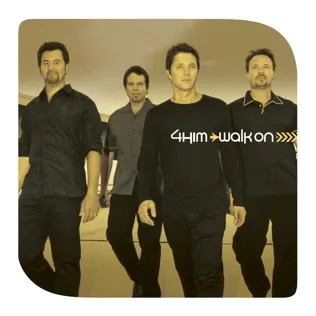
The 4Him classic, "Let The Healing Begin," released on October 30, 2001, as part of their album *Walk On*, offers a profound and deeply personal testament to spiritual renewal and liberation. From its opening lines, the song immediately draws individuals into a relatable narrative of profound weariness and a desperate yearning for change, setting the stage for a journey from brokenness to wholeness through divine intervention. It speaks to the universal human experience of feeling imprisoned by internal struggles, the "walls" of past hurts, shame, or self-imposed limitations that hold the heart captive, creating a vivid image of a soul longing for release from enduring emotional and spiritual scars.
The heart of the song's narrative unfolds as the speaker vocalizes a deep desire for intimate communion with the Divine, expressing, "I long to hear You speak / Sweet peace into my soul / Reach into the depths that no one knows / Let Your healing waters flow." This yearning transcends superficial understanding, seeking God's penetrating peace that touches the unseen and unacknowledged corners of the spirit. The imagery of "healing waters" evokes powerful biblical parallels, reminiscent of passages like Ezekiel 47:9, where the river flowing from the temple brings life and healing wherever it goes, or Revelation 22:1, depicting the river of the water of life. It speaks to a cleansing and restorative power that only God can provide, an active force capable of reaching beyond what any human eye can discern, aligning with the psalmist’s understanding of God’s intimate knowledge of our inner being (Psalm 139:1-4).
The declaration in the chorus, "Moving on, to better days / Let the healing begin / Up ahead, I can hear You call my name," marks a pivotal shift from lament to a resolute embrace of faith and forward momentum. This isn't merely passive hope but an active step of trust, a decision to leave behind the wreckage of the past and step into a future guided by God's voice. The promise of "better days" resonates deeply with scriptural assurances of hope and a future, as found in Jeremiah 29:11, while hearing God "call my name" signifies a deeply personal relationship and divine guidance, echoing Jesus' words in John 10:3, where the sheep know their shepherd's voice and follow Him. It is a powerful affirmation that the journey towards healing is marked by divine companionship and an assured destination.
Central to the song's message is the unwavering foundation of God's character, as articulated: "Your love for me is deep / And Your mercy is so wide / Somehow you reach beyond the boundaries / Of all my foolish pride." This acknowledges the boundless, immeasurable nature of God’s love and compassion, which serves as the ultimate catalyst for any true healing. It highlights how God's grace effortlessly transcends human limitations, even the formidable barrier of "foolish pride" that often prevents individuals from seeking or accepting help. This profound truth reminds us of Ephesians 3:18-19, which speaks of grasping the breadth, length, height, and depth of Christ's love, and Psalm 103:11-12, illustrating how far God's mercy extends beyond our transgressions. It paints a picture of a God whose pursuit of His creation is relentless, breaking through self-imposed walls and ego to offer redemption.
The plea, "So come and wash away these things / That have held me to my past / 'Cause Jesus You're the one and only one / that can set me free at last," is a complete surrender and a powerful assertion of Jesus Christ's unique role as Redeemer. This call to "wash away" draws upon powerful biblical imagery of spiritual cleansing and regeneration, similar to the washing of regeneration and renewal of the Holy Spirit mentioned in Titus 3:5, or the complete purification referenced in Hebrews 10:22. The emphasis on Jesus being the "one and only one" underscores the exclusivity of His power to deliver true freedom from sin and its lingering effects, echoing John 8:36, which states that if the Son sets you free, you are free indeed. It champions a complete reliance on Christ for ultimate healing and liberation from the chains of history.
The repeated cry, "Let it rain down (whoa let it rain down on me)," is an impassioned intercession, a fervent prayer for an outpouring of God's presence, grace, and blessings. This imagery conjures visions of the Holy Spirit descending like rain, bringing refreshment and life, as prophesied in Joel 2:23 and witnessed in Acts 2:17. It encapsulates the song's overarching message of surrender and expectation, urging the divine to saturate the seeking soul with all that is needed for complete restoration. "Let The Healing Begin" ultimately serves as a powerful anthem of hope, encouraging all who are weary to surrender their burdens, embrace God’s transformative love, and step into the profound freedom that only Christ can provide, a reminder that true peace and renewal are always within reach for those who actively seek it.