
Steve Green - Come, Thou Long-Expected Jesus Lyrics
Lyrics
Come Thou long expected Jesus,
Born to set Thy people free,
From our fears and sins release us,
Let us find, our rest in Thee.
Israel's strength and consolation,
Hope of all the earth Thou art.
Dear desire of every nation,
Joy of every longing heart.
Born Thy people to deliver,
Born a child, and yet a King.
Born to reign in us forever,
Now, Thy gracious kingdom bring.
By thine own eternal Spirit,
Rule in all our hearts alone,
By thine own sufficient merit,
Raise us to Thy glorious throne.
By thine own eternal Spirit,
Rule in all our hearts alone.
By thine own sufficient merit,
Raise us to Thy glorious throne.
Come Lord Jesus,
Come quickly Lord,
Come Thou home!
Video
Come, Thou Long Expected Jesus
Meaning & Inspiration
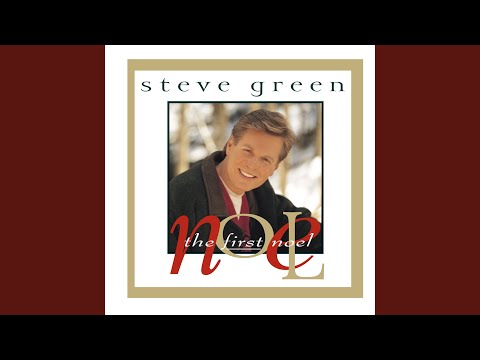
Steve Green's rendition of "Come, Thou Long-Expected Jesus," released on January 1, 1996, as part of his album *The First Noel*, powerfully reintroduces a timeless hymn that resonates with profound theological depth. While many familiar hymns focus on specific aspects of Christ's life or sacrifice, this particular song, originally penned by Charles Wesley in 1744, captures the broad sweep of redemptive history, from ancient prophecy to the hope of Christ's return. Green's vocal delivery brings a sense of earnest longing and steadfast faith to lyrics that have comforted and inspired generations, making the ancient words feel profoundly relevant in contemporary worship.
The spiritual narrative embedded in "Come, Thou Long-Expected Jesus" begins with a collective yearning for a deliverer, a sentiment deeply rooted in Old Testament prophecy and the experience of humanity under the weight of sin and fear. The opening lines immediately call upon Jesus, acknowledging His divine purpose: "Born to set Thy people free." This speaks directly to the core gospel message of liberation, not merely from physical bondage, but from the spiritual chains of sin and the pervasive anxieties that plague the human spirit. Scripture affirms this freedom, as stated in John 8:36, "If the Son therefore shall make you free, ye shall be free indeed," and Romans 6:18, where believers are "made free from sin." The subsequent plea, "From our fears and sins release us, Let us find, our rest in Thee," beautifully articulates the desire for spiritual peace and the ultimate Sabbath rest promised in Christ, a truth echoed in Matthew 11:28, "Come unto me, all ye that labour and are heavy laden, and I will give you rest," and reinforced in Hebrews 4:9, highlighting a remaining rest for the people of God. The hymn continues by identifying Jesus as "Israel's strength and consolation," directly referencing His Messianic role as foretold in Isaiah 9:6, where He is called "Wonderful Counselor, Mighty God, Everlasting Father, Prince of Peace." More broadly, He is declared the "Hope of all the earth" and the "Dear desire of every nation, Joy of every longing heart," underscoring the universal human need for a savior, a sentiment felt across cultures and ages, and consistent with the hope for all nations found in Genesis 22:18 and Haggai 2:7, which speaks of the "desire of all nations" coming.
The second verse elaborates on the divine paradox of Christ's incarnation and His eternal reign, "Born Thy people to deliver, Born a child, and yet a King." This encapsulates the miraculous reality of God becoming flesh, a humble birth concealing royal lineage and sovereign authority, as proclaimed in Luke 1:32-33 concerning His eternal kingdom. The declaration, "Born to reign in us forever, Now, Thy gracious kingdom bring," is a profound shift from an external expectation to an internal reality. It is a prayer for Christ's reign not just in a geopolitical sense, but within the individual heart and life, reflecting Luke 17:21 where Jesus states, "the kingdom of God is within you." This internal rule is further emphasized with the request, "By thine own eternal Spirit, Rule in all our hearts alone," acknowledging the indispensable work of the Holy Spirit in sanctification and guiding believers into full submission to Christ's will, as detailed in Romans 8:9 and Galatians 5:16. The final lines of this verse pivot to the ultimate hope of salvation and eternal life: "By thine own sufficient merit, Raise us to Thy glorious throne." This is a clear testament to the doctrine of salvation by grace through faith, entirely dependent on Christ's perfect, atoning sacrifice and His righteousness, not our own works (Ephesians 2:8-9, Romans 5:1-2). It points to the glorious destiny awaiting believers—not just a distant heaven, but a transformed existence, resurrected with Christ to share in His glory (1 Thessalonians 4:16-17, Colossians 3:4).
Steve Green’s arrangement adds a powerful concluding segment that elevates the hymn beyond a meditation on the first Advent, infusing it with urgent eschatological hope. The repeated cry, "Come Lord Jesus, Come quickly Lord, Come Thou home!" directly echoes the fervent prayer found in the very last chapter of the Bible, Revelation 22:20: "He who testifies to these things says, 'Surely I am coming soon.' Amen. Come, Lord Jesus!" This addition transforms the song into a comprehensive prayer for both the historical coming of Christ and His promised second coming. It bridges the gap between past fulfillment and future anticipation, encouraging believers to live in constant readiness and yearning for the ultimate consummation of God's kingdom. Green's faithful and inspiring delivery of these potent lyrics makes "Come, Thou Long-Expected Jesus" not just a seasonal carol, but a year-round anthem of faith, patiently waiting and actively anticipating the return of the King, reminding us of God’s unfailing promises and the eternal rest found only in Him.